

-
Introduction
In today’s modern consumer world, individuals are often faced with a choice between handcrafted products and mass-produced items. Each type of product offers its unique benefits and values. This article will compare handicrafts and mass-produced products, focusing on aspects such as quality and cultural significance, to help you better understand the value each type brings. -
Quality and Durability
One of the most significant differences between handcrafted and mass-produced products is their quality and durability.
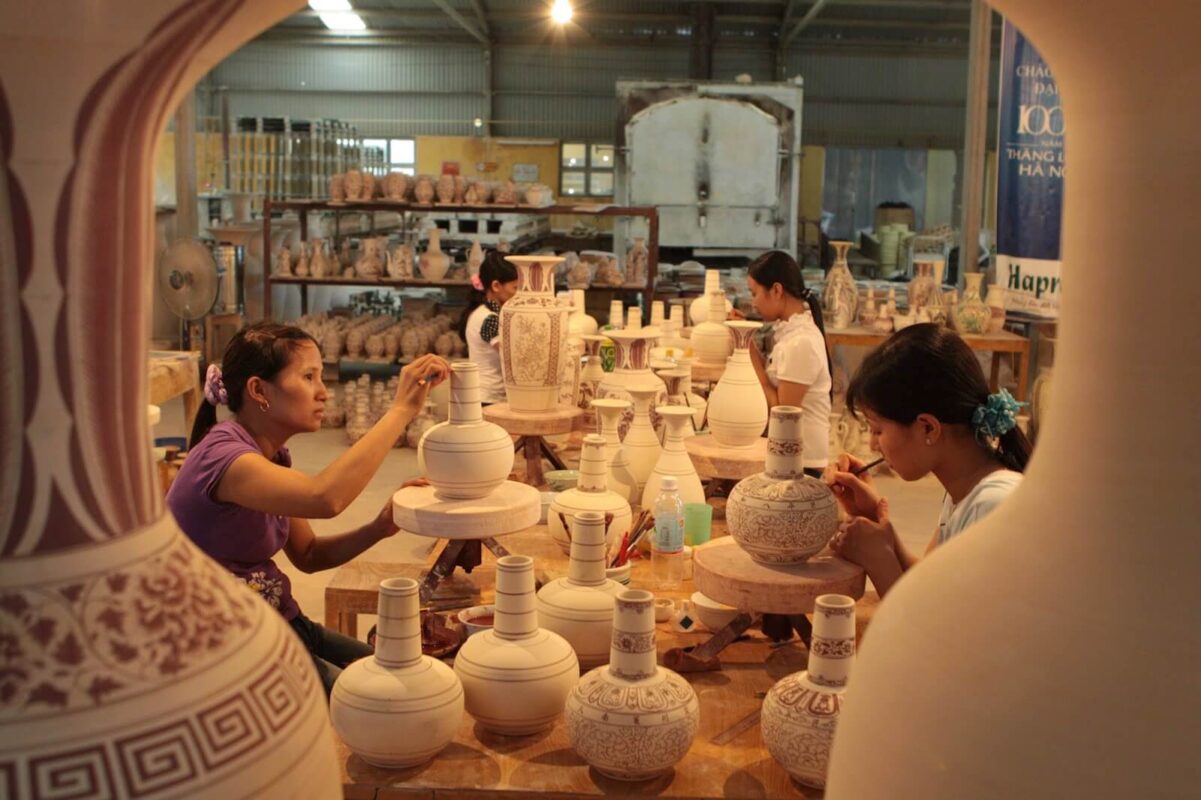
- Handcrafted Products: These are made by skilled artisans, often resulting in higher quality and long-lasting durability. Each handmade product is the result of meticulous attention to detail, from selecting materials to completing the final touches. This ensures that the product is not only aesthetically pleasing but also has long-term utility.
- Mass-Produced Products: On the other hand, mass-produced items are typically manufactured by machines at a fast pace and in large quantities. While they are more affordable, their quality and durability are often inferior to handcrafted products due to the standardized production process that lacks intricate care.
- Cultural and Spiritual Value
Beyond quality, handicrafts carry special cultural and spiritual significance.
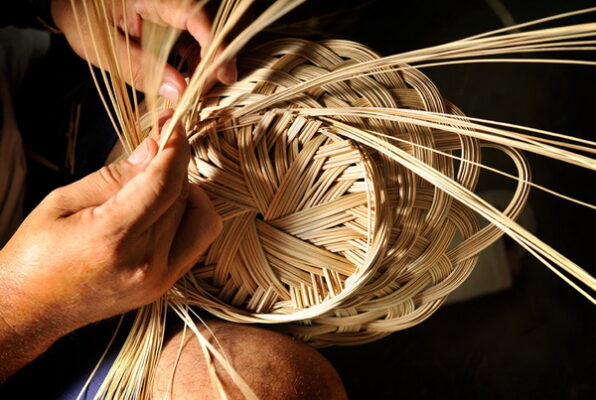
- Handcrafted Products: Every handcrafted item is a piece of art deeply imbued with cultural and historical heritage. These products reflect traditions, skills, and the passion of artisans passed down through generations. Owning a handcrafted item means possessing a piece of cultural heritage, creating a deep connection between the maker and the user.
- Mass-Produced Products: While mass-produced products meet large consumer demands, they lack cultural and spiritual elements. These products often don’t carry stories or historical significance, and in some cases, they become so widespread that they lose their uniqueness or individuality.

- Uniqueness and Personalization
One major advantage of handcrafted products is their uniqueness and ability to be personalized.
- Handcrafted Products: No two handcrafted items are exactly alike, as each is created by artisans with their distinct styles and techniques. This gives handcrafted items a level of uniqueness and personalization that mass-produced products cannot offer. Additionally, many handcrafted products can be custom-made to suit the buyer’s preferences.
- Mass-Produced Products: Mass-produced items typically lack uniqueness, as they are created through a standardized process in large quantities. As a result, consumers may end up owning identical products, without any distinctive characteristics.
- Conclusion
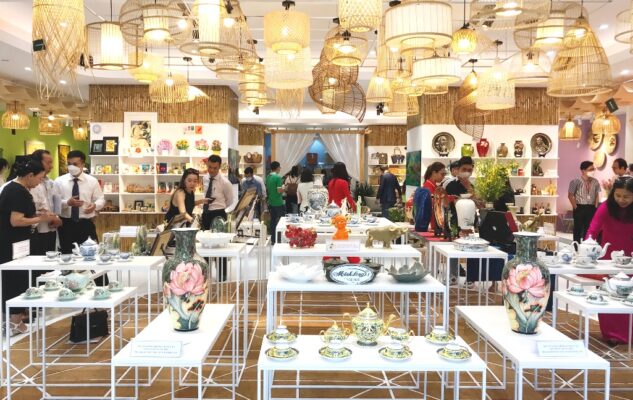
Both handcrafted and mass-produced products have their own benefits, but handcrafted products excel in terms of quality, cultural value, and uniqueness. When you choose handcrafted items, you are not only purchasing a product but also investing in art, culture, and sustainability. This choice brings joy and satisfaction to the user while also contributing to the preservation and development of valuable cultural traditions.
